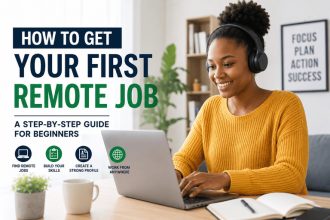
Have you ever wondered how people earn money online by writing, designing, programming, managing social media, or offering professional services from the comfort of their homes? The rise of remote work and the global digital economy has created countless opportunities (Starting a Freelance Business) for Nigerians and other Africans to build successful freelance careers. Whether you are a student looking for extra income, a graduate searching for employment, a professional seeking flexibility, or an entrepreneur exploring new opportunities, freelancing can provide a practical path to financial growth.
- Quick Answer / Key Takeaways Box
- What Is a Freelance Business?
- Why Starting a Freelance Business Matters Today
- Step-by-Step Guide to Starting a Freelance Business in Nigeria
- Best Tools for Freelancers
- Startup Costs for a Freelance Business in Nigeria
- Practical Example / Scenario
- Common Mistakes to Avoid
- Recommended Free Resources
- Frequently Asked Questions (FAQ)
- Can I start freelancing without experience?
- How much money do I need to start a freelance business in Nigeria?
- Which freelance skill is most profitable?
- Do I need a registered business?
- How long does it take to get clients?
- Can students become freelancers?
- Is freelancing better than a regular job?
- Can I work with international clients from Nigeria?
- Final Action Plan
- Conclusion
However, many aspiring freelancers struggle because they do not know where to start. Some create profiles on freelance platforms but never get clients. Others have valuable skills but lack a clear business strategy.
This Step-by-Step Guide to Starting a Freelance Business in Nigeria will walk you through everything you need to know—from choosing a profitable skill and setting up your business to finding clients and growing your income sustainably.
By the end of this guide, you will have a practical roadmap you can begin implementing immediately.
Quick Answer / Key Takeaways Box
| Item | Details |
| Best Option | Start with a skill you already have or can learn quickly |
| Estimated Cost | ₦20,000 – ₦200,000 depending on tools and training |
| Time Required | 1–6 months to build skills and secure initial clients |
| Who It Is For | Students, graduates, professionals, entrepreneurs, and remote workers |
| Biggest Mistake to Avoid | Waiting until everything is perfect before offering services |
What Is a Freelance Business?
A freelance business involves offering services to clients independently rather than working as a full-time employee. Freelancers typically work on projects, contracts, or ongoing assignments for businesses and individuals. Common freelance services include:
- Content writing
- Graphic design
- Web development
- Digital marketing
- Video editing
- Social media management
- Virtual assistance
- SEO services
- Data analysis
- Translation services
- Online tutoring
Instead of earning a fixed monthly salary from one employer, freelancers can work with multiple clients simultaneously.
Why Starting a Freelance Business Matters Today
Starting a Freelance business offers several advantages:
- Flexible Working Hours: You can choose when and where you work.
- Global Opportunities: You are not limited to clients within Nigeria.
- Low Startup Costs: Most freelance businesses require only:
- Internet access
- A computer or smartphone
- Marketable skills
- Income Diversification: Working with multiple clients reduces dependency on a single source of income.
- Skill Development: Freelancing helps you gain valuable experience that can improve future employment or business opportunities.
Read: 20 Digital Skills You Can Learn for Free and Monetize
Step-by-Step Guide to Starting a Freelance Business in Nigeria
Step 1: Identify a Marketable Skill
Your freelance business starts with a service people are willing to pay for.
Ask yourself:
- What skills do I already have?
- What problems can I solve?
- What services are businesses actively seeking?
Popular freelance skills include:
| Skill | Demand Level |
| Content Writing | High |
| Graphic Design | High |
| SEO | High |
| Video Editing | High |
| Web Development | Very High |
| Social Media Management | High |
| Virtual Assistance | Growing |
| Data Analytics | High |
If you lack a skill, invest time in learning one through free and paid online resources.
Step 2: Build Your Skills and Portfolio
Clients want proof that you can deliver quality work.
Even if you have no experience:
- Create sample projects
- Volunteer for small assignments
- Build personal projects
- Offer services to friends or local businesses
Examples:
- Writers can publish sample articles.
- Designers can create branding mockups.
- Developers can build demo websites.
- Social media managers can run personal pages.
A strong portfolio often matters more than formal qualifications.

Step 3: Choose Your Niche
Many beginners try to serve everyone.
A better approach is to specialize.
Examples include:
- Healthcare content writing
- E-commerce web development
- Real estate marketing
- Educational video editing
- Business SEO consulting
Specialization helps you:
- Stand out from competitors
- Charge higher rates
- Attract better clients
Step 4: Create Your Professional Brand
Your brand represents your freelance business.
You should have:
- Professional name
- Clear service description
- Professional photo
- Portfolio website or portfolio document
- LinkedIn profile
- Email address
A simple personal website can significantly improve credibility.
Step 5: Set Your Pricing
One of the biggest challenges for freelancers is pricing services correctly.
Common pricing models include:
- Hourly Pricing: Charge based on time spent.
- Project Pricing: Charge a fixed amount for each project.
- Retainer Pricing: Charge a monthly fee for ongoing services.
Beginners can start competitively while focusing on building experience and testimonials.
Avoid charging unrealistically low rates because it often attracts difficult clients.
Step 6: Find Your First Clients
This is where many freelancers struggle.
Start with:
Freelance Platforms
Examples include:
Professional Networks
Use:
- Industry communities
- Professional associations
Social Media
Showcase your expertise through:
Direct Outreach
Contact businesses that may need your services.
Send personalized messages explaining:
- The problem you can solve
- How you can help
- Relevant examples of your work
Step 7: Deliver Excellent Work
Client satisfaction is the foundation of a successful freelance business.
Always:
- Meet deadlines
- Communicate clearly
- Follow instructions carefully
- Provide updates
- Maintain professionalism
Happy clients often become repeat customers.
Step 8: Collect Testimonials and Referrals
Social proof builds trust.
After completing projects:
- Request testimonials
- Ask for referrals
- Showcase positive feedback
Recommendations can become one of your strongest marketing tools.
Step 9: Manage Your Finances
Treat freelancing like a real business.
Track:
- Income
- Expenses
- Savings
- Taxes
- Business investments
Consider maintaining:
- Separate bank account
- Expense records
- Emergency fund
Financial discipline helps create long-term stability.
Step 10: Scale Your Freelance Business
Once you have consistent clients:
- Increase your rates gradually
- Build systems and workflows
- Outsource repetitive tasks
- Create digital products
- Launch an agency model
Growth should be intentional and sustainable.
Best Tools for Freelancers
Communication
Project Management
Design
Writing
Finance
- Wave
- Spreadsheets
- Budgeting apps
File Storage
- Google Drive
- Dropbox
Using the right tools can improve productivity and professionalism.

Startup Costs for a Freelance Business in Nigeria
| Item | Estimated Cost |
| Internet Subscription | ₦10,000 – ₦50,000 |
| Training Courses | ₦0 – ₦100,000+ |
| Domain Name | ₦10,000 – ₦30,000 yearly |
| Portfolio Website | ₦20,000 – ₦100,000+ |
| Laptop (if needed) | Varies |
Many freelancers start with minimal investment and upgrade gradually.
Realistic Expectations
Freelancing is not a get-rich-quick scheme.
You may experience:
- Client rejection
- Slow periods
- Learning curves
- Competitive markets
However, consistency, skill development, and excellent service often lead to long-term success.
Focus on building relationships and improving your expertise over time.
Practical Example / Scenario
Chinedu is a university graduate in Lagos who learns graphic design through free online tutorials.
He spends two months building sample designs and creating a portfolio.
Next, he opens a LinkedIn profile and begins sharing his work.
After reaching out to local businesses and applying for freelance projects online, he secures his first logo design project.
The client refers him to another business owner.
Within a year, Chinedu has multiple recurring clients and earns more consistently than he did when he started.
The key factor was not luck—it was taking action consistently.
Common Mistakes to Avoid
- Trying to Serve Everyone: A clear niche makes marketing easier.
- Charging Too Little: Low pricing can damage your credibility and profitability.
- Ignoring Contracts: Always document agreements with clients.
- Poor Communication: Slow responses can cost future opportunities.
- Failing to Build a Portfolio: Clients need proof of your abilities.
- Depending on One Client: Diversify income sources whenever possible.
- Neglecting Learning: The digital marketplace evolves constantly.
Recommended Free Resources
Learning Platforms
- Free online courses
- Digital skills academies
- Professional certification resources
Job Boards
- Remote work websites
- Freelance marketplaces
- Professional networking platforms
Business Resources
- Entrepreneurship communities
- Startup support programs
- Small business development resources
Personal Finance Resources
- Budgeting tools
- Financial literacy platforms
- Business accounting guides
Professional Development
- Industry newsletters
- Skill-based communities
- Networking groups
Frequently Asked Questions (FAQ)
Can I start freelancing without experience?
Yes. Build sample projects and create a portfolio to demonstrate your skills.
How much money do I need to start a freelance business in Nigeria?
Many people start with internet access, a smartphone or laptop, and basic skills.
Which freelance skill is most profitable?
Profitability depends on expertise and demand, but web development, SEO, digital marketing, data analytics, and software development often command strong rates.
Do I need a registered business?
Not initially, but registration may become beneficial as your business grows.
How long does it take to get clients?
Some freelancers secure clients within weeks, while others may take several months.
Can students become freelancers?
Absolutely. Freelancing can provide valuable experience and income while studying.
Is freelancing better than a regular job?
They offer different benefits. Freelancing provides flexibility, while traditional employment may offer stability.
Can I work with international clients from Nigeria?
Yes. Many Nigerian freelancers successfully serve clients worldwide.
Final Action Plan
- Choose One Skill Today: Select a service you can learn or improve immediately.
- Create a Simple Portfolio: Develop at least three sample projects showcasing your abilities.
- Reach Out to Potential Clients: Apply for one freelance opportunity or contact one potential client within the next 24 hours.
Conclusion
This Step-by-Step Guide to Starting a Freelance Business in Nigeria shows that freelancing is one of the most accessible ways to build income, develop valuable skills, and create professional opportunities in today’s digital economy.
Success does not happen overnight. However, by choosing a marketable skill, building a strong portfolio, serving clients professionally, and continuously improving your expertise, you can gradually establish a sustainable freelance business.
The most important step is getting started. Many talented people spend years planning without taking action. Instead, focus on learning, building, and serving your first client.
Every successful freelancer started as a beginner.
Take the first step today, stay consistent, and continue exploring practical career, business, funding, scholarship, and remote work resources on LeverageHub.net to accelerate your growth journey.