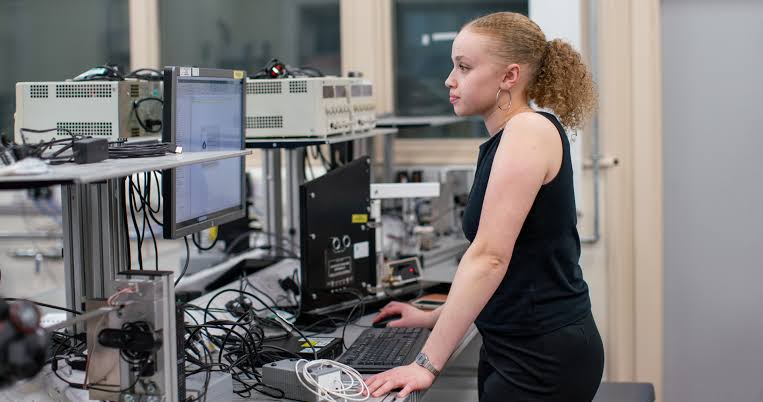
Organisations working to help disadvantaged young people move from Further Education into STEM careers, apprenticeships, higher education or technical training can apply for substantial funding through the STEM Pathways Fund 2026. The initiative, supported by Mission 44 and Santander UK Foundation, is designed to strengthen the transition between Further Education and future STEM opportunities for young people who face financial, social, educational, structural or other barriers.
- What Is the STEM Pathways Fund?
- How Much Funding Is Available?
- What Does the Fund Aim to Achieve?
- Who Can Benefit From This Fund?
- What Counts as a STEM Pathway?
- Who Is Eligible to Apply?
- What Type of Organisations Will Be Competitive?
- Partnerships Are Encouraged
- What Types of Projects Can the Funding Support?
- What Will the STEM Pathways Fund Not Pay For?
- Does the Project Have to Be New?
- How to Apply for the STEM Pathways Fund
- STEM Pathways Fund 2026 Application Deadline
- Application Link
- How Applications Will Be Assessed
- Tips for Preparing a Strong Expression of Interest
- Why This Fund Is Worth Watching
- Key Facts About the STEM Pathways Fund 2026
- Frequently Asked Questions
- Final Thoughts
Successful organisations could receive between £75,000 and £150,000 for projects lasting up to 24 months. The fund expects to support approximately four organisations through this pilot programme.
- Funding Opportunity: STEM Pathways Fund 2026
- Funders: Mission 44 and Santander UK Foundation
- Funding Available: £75,000–£150,000 per successful organisation
- Project Duration: Up to 24 months
- Location: England
- Target Group: Young people aged 16–19 in Further Education
- Expression of Interest Deadline: 9 September 2026 at 5:00 PM
- Full Application Deadline: 19 October 2026 at midday — shortlisted applicants only
- Application Process: Two-stage application
- Expected Programme Start: January 2027
What Is the STEM Pathways Fund?
The STEM Pathways Fund is a funding programme focused on improving how young people move from Further Education into science, technology, engineering and mathematics opportunities. For many young people, completing an FE programme does not automatically lead to employment, an apprenticeship, university or further technical training. Some lack access to professional networks, career guidance, industry contacts, mentors, work experience and role models.
These challenges can be even greater for young people experiencing financial hardship, caring responsibilities, unmet special educational needs or disabilities, mental health support needs or other systemic barriers. Mission 44 and Santander UK Foundation are therefore looking to support organisations that can develop or strengthen practical pathways that help young people make successful transitions into STEM.
The programme is particularly interested in approaches that begin well before a young person reaches their next destination rather than relying on a one-off intervention immediately before they leave Further Education. Mission 44 says transition support should, wherever possible, begin at least one year before a young person is expected to progress into STEM employment, an apprenticeship, higher education or technical training.
How Much Funding Is Available?
The STEM Pathways Fund will operate as a pilot and use a portfolio approach, supporting a small number of organisations with different approaches to improving STEM transitions. The fund expects to provide:
- Up to four grants
- £75,000 to £150,000 per grant
- Funding for projects lasting up to 24 months
The exact amount awarded to each successful organisation will depend on the scope and ambition of the proposed project as well as its budget. The fund also aims to provide flexible funding and, where appropriate, unrestricted support so that funded organisations can respond to the needs of their local communities while working towards the programme’s shared outcomes.
What Does the Fund Aim to Achieve?
The programme has two broad goals: improving outcomes for young people and contributing to a stronger and more equitable Further Education and employment system.
1. Help Young People Understand STEM Opportunities
Projects should help young people gain a clearer understanding of the different routes available into STEM. This could include university education, apprenticeships, technical qualifications, vocational training and direct employment.
2. Build Confidence and Skills
Funded programmes should help young people develop the confidence, skills and belief that STEM careers are realistic and accessible to people from their backgrounds.
3. Improve Access to STEM Networks
The fund wants young people to have better access to meaningful opportunities such as:
- Employers
- Industry professionals
- Mentors
- Professional networks
- Role models
- Workplace experiences
- Internships
- Work placements
4. Improve Progression Outcomes
Ultimately, projects should help participants successfully move from Further Education into:
- STEM employment
- Apprenticeships
- Degree apprenticeships
- Higher education
- Technical education
- Specialist STEM training
These direct outcomes are complemented by a wider ambition to improve collaboration and learning across the Further Education and employment sectors.
Who Can Benefit From This Fund?
The fund is intended for organisations supporting young people aged 16–19 in Further Education across England who face barriers to progressing into STEM pathways. The target groups include young people experiencing:
- Financial hardship
- Caring responsibilities
- Unmet special educational needs and disabilities (SEND)
- Unmet mental health support needs
- Limited access to professional networks or role models
- Limited access to STEM opportunities
- Underrepresentation in STEM, including women and racially minoritised young people
- Other systemic barriers affecting education and employment outcomes
Mission 44 also recognises that young people may experience several of these barriers at the same time. Applicants are therefore encouraged to demonstrate an understanding of the actual experiences, needs and aspirations of the communities they serve rather than simply placing young people into categories.
What Counts as a STEM Pathway?
The fund takes a broad view of STEM. STEM pathways can lead into careers and opportunities across science, technology, engineering and mathematics, and do not have to follow a traditional university route.
Potential pathways include:
- STEM-related employment
- STEM apprenticeships
- Degree apprenticeships
- University STEM degrees
- Higher technical qualifications
- Vocational STEM qualifications
- Specialist STEM training
- Further education and technical programmes
- Other recognised education, training or employment routes leading towards STEM careers
The fund is therefore interested in projects that help young people understand the full range of STEM routes available to them.
Who Is Eligible to Apply?
The STEM Pathways Fund is not open to individuals. It is specifically aimed at eligible not-for-profit organisations and qualifying Further Education institutions operating in England. Eligible organisations include:
- Registered charities
- Charitable Incorporated Organisations (CIOs)
- Community Interest Companies (CICs) limited by guarantee
- Community Benefit Societies with an asset lock
- Cooperative Societies with an asset lock
- Other not-for-profit organisations with an asset lock
- Further Education Colleges
- Designated Sixth Form Colleges
University Technical Colleges (UTCs) are not eligible. School sixth forms are also not eligible under this fund because the programme is specifically focused on the Further Education sector.
Important: This Is an England-Only Opportunity
Although the fund may appear on international grant websites, organisations outside England should not assume they are eligible. The official fund guide states that the programme is for organisations working with 16–19-year-olds in Further Education settings across England only. Activities taking place outside England are also excluded from funding.
Read: How to Write a Winning Grant Proposal
What Type of Organisations Will Be Competitive?
Being legally eligible is only the starting point.
Mission 44 is particularly interested in organisations that can demonstrate experience supporting young people aged 16–19 towards STEM employment, apprenticeships, higher education or technical training.
Applicants should ideally demonstrate:
- Experience working with young people
- Knowledge of the Further Education sector
- Understanding of the barriers faced by FE learners
- Experience supporting STEM progression
- Evidence of a clearly identified local need
- Strong organisational capacity
- Meaningful partnerships
- A credible approach to measuring outcomes
Organisations that do not already have a direct relationship with an FE college may still be considered if they can demonstrate credible partnerships or relevant experience and a strong understanding of the FE environment.
Partnerships Are Encouraged
Collaboration is an important part of the fund. Mission 44 welcomes approaches involving organisations with complementary expertise, including partnerships between:
- Further Education colleges
- STEM employers
- Community organisations
- Youth organisations
- Careers and employability providers
- Other relevant not-for-profit organisations
One organisation must act as the lead applicant and take responsibility for managing the grant and reporting requirements. A strong partnership should clearly explain what each organisation contributes and how working together will improve outcomes for young people.
What Types of Projects Can the Funding Support?
The fund is intentionally broad and can support a range of approaches designed to strengthen young people’s transition into STEM pathways.
Potential activities include:
- Mentoring and Coaching: Providing young people with mentors, coaches and STEM role models who can help them understand career options and build confidence.
- Employer Engagement: Creating opportunities for young people to interact with STEM companies and professionals and gain a better understanding of the workplace.
- Work Experience and Internships: Developing meaningful workplace experiences, placements and internships that help participants build practical knowledge and industry connections.
- Careers Education: Helping young people understand STEM careers, qualifications, apprenticeships and progression routes.
- Skills and Leadership Development: Building the confidence, technical awareness, employability skills and leadership abilities young people need to take their next step.
- Collaborative Transition Programmes: Working with FE colleges, employers and local communities to create stronger and more accessible routes into STEM.
What Will the STEM Pathways Fund Not Pay For?
Applicants should carefully review the exclusions before preparing their proposal. The fund will not support:
- Capital costs such as building works and renovations
- Expenditure that has already taken place
- Activities taking place outside England
- Party political lobbying
- The practice or promotion of religion or particular belief systems
- Loan repayments
- Investments
This means applicants should build their budgets around eligible programme activity rather than retrospective spending or capital development.
Does the Project Have to Be New?
No. Organisations do not necessarily need to create a completely new programme to apply. Mission 44 says it will consider existing work where funding would strengthen, expand or enhance an organisation’s approach to improving transitions into STEM pathways. For example, an organisation could potentially use the funding to:
- Expand an existing mentoring programme
- Reach more FE learners
- Build new employer partnerships
- Add work-placement opportunities
- Improve careers support
- Extend an existing STEM transition programme
- Introduce stronger evaluation and learning systems
The important point is to clearly explain what the funding would make possible and how it would improve outcomes.
How to Apply for the STEM Pathways Fund
The application process has two stages.
STAGE 1: Expression of Interest
The first step is to submit an online Expression of Interest (EOI). The EOI asks applicants to provide information about their organisation, the need they are addressing and their proposed approach.
Mission 44 estimates that the online EOI should take approximately 45–60 minutes to complete. Applicants are encouraged to review the eligibility criteria and funding priorities carefully before submitting. Only organisations that meet the eligibility requirements and demonstrate a strong fit with the fund will be considered for the next stage.
STAGE 2: Full Application
A small number of organisations shortlisted following the EOI stage will be invited to submit a full application. The full application will require additional information about:
- The proposed project
- Delivery approach
- Expected impact
- Project budget
- Due diligence information
Shortlisted organisations will need to submit a project proposal of no more than five A4 pages, together with a budget and due diligence documentation. The full application builds on the EOI, so applicants will not simply have to repeat everything submitted during the first stage.
STEM Pathways Fund 2026 Application Deadline
The key first-stage deadline is:
Expression of Interest deadline: Wednesday, 9 September 2026 at 5:00 PM.
The complete timeline is:
| Application Stage | Date |
| EOI opens | 28 July 2026 |
| EOI deadline | 9 September 2026 at 5:00 PM |
| Invitation to submit full application | 28 September 2026 |
| Full application deadline | 19 October 2026 at midday |
| Funding decision | Late November 2026 |
| Grants awarded / mobilisation | December 2026–January 2027 |
| Expected programme delivery | January 2027 |
Only organisations shortlisted after the EOI stage will be able to submit the full application.
Application Link
The EOI must be submitted through the official online application process. Mission 44’s fund guide states that the EOI is completed through an online Google Form and that the reference copy of the EOI questions is not itself the submission route.
Official Mission 44 Grant Enquiries / Application Portal: Mission 44 Grant Enquiries
Official STEM Pathways Fund Guide: Download the STEM Pathways Fund Guide (PDF)
Important: Applicants should use the official Mission 44 application route rather than sending unsolicited proposals by email. Mission 44 explicitly states that applications must be submitted through the published application process.
How Applications Will Be Assessed
Eligible applications will be reviewed by Mission 44, Santander UK Foundation and Mission 44 Youth Advisors.
The assessment will consider areas including:
- Strength of the proposed approach
- Understanding of local need
- Understanding of the Further Education environment
- Understanding of the barriers affecting target groups
- Organisational capability
- Partnership working
- Potential to improve STEM progression
- Ability to deliver meaningful outcomes for young people
The involvement of Mission 44 Youth Advisors is part of the fund’s participatory approach to decision-making and gives young people a role in shaping priorities and funding recommendations.
Tips for Preparing a Strong Expression of Interest
If your organisation is eligible, don’t treat the EOI as simply a request for money. Use the application to demonstrate that you understand the problem and have a credible way of addressing it.
1. Start With the Local Problem
Explain what is happening to young people in the communities you serve. Use relevant local data, research, participant feedback, employer insight or lived experience to demonstrate the need.
2. Identify the Specific Barriers
Avoid vague statements about young people “lacking opportunities.” Explain exactly what prevents them from progressing.
For example:
- Lack of employer connections
- Lack of work experience
- Financial barriers
- Limited careers guidance
- Low confidence
- Caring responsibilities
- Lack of role models
- Limited knowledge of STEM careers
3. Show Why Your Organisation Is Well Positioned
Explain your existing experience, relationships, staff expertise and track record. If you already work with FE learners or colleges, make that clear.
4. Build Credible Partnerships
Consider whether your proposal would be stronger with an FE college, STEM employer or community organisation involved. The fund places significant emphasis on collaboration.
5. Put Young People at the Centre
Mission 44 is particularly interested in organisations that involve young people in shaping their programmes and services. Explain how young people have influenced—or will influence—the project.
6. Focus on Outcomes, Not Just Activities
Don’t simply say:
“We will provide mentoring.”
Explain what mentoring is expected to achieve.
For example:
Young people will develop greater knowledge of STEM careers, stronger professional networks and increased confidence to pursue apprenticeships, employment or further STEM education.
7. Demonstrate a Clear Progression Pathway
Show how participants will move from the programme towards a real next step. The strongest proposals should connect activities with measurable progression outcomes.
Why This Fund Is Worth Watching
The STEM Pathways Fund stands out because it is not simply trying to increase young people’s interest in STEM. It focuses on what happens after interest has been developed. A young person may be interested in engineering or technology but still struggle to enter the sector because they do not know anyone working in the industry, have never visited a workplace, cannot afford certain opportunities or do not understand the qualifications required.
That gap between aspiration and opportunity is where this fund is focused. By supporting mentoring, employer engagement, workplace experiences, careers education and sustained transition programmes, the initiative aims to help young people turn educational experiences into realistic pathways towards STEM careers.
Key Facts About the STEM Pathways Fund 2026
- Fund: STEM Pathways Fund
- Funders: Mission 44 and Santander UK Foundation
- Funding: £75,000–£150,000 per grant
- Number of expected grants: Up to approximately four
- Maximum project duration: 24 months
- Eligible location: England
- Target beneficiaries: Young people aged 16–19 in Further Education
- Eligible applicants: Qualifying not-for-profit organisations and eligible Further Education institutions
- EOI opening date: 28 July 2026
- EOI deadline: 9 September 2026 at 5:00 PM
- Full application deadline: 19 October 2026 at midday, for shortlisted applicants
- Funding decision: Late November 2026
- Expected programme start: January 2027
- Application process: Two stages
Frequently Asked Questions
Is the STEM Pathways Fund open to individuals?
No. This is an organisational funding programme rather than an individual scholarship or grant.
Can organisations outside England apply?
No. The programme is focused on organisations operating in England and activities taking place in England.
Can a registered charity apply?
Yes, registered charities are among the eligible organisation types, provided they meet the other requirements.
Can a Community Interest Company apply?
Yes, CICs limited by guarantee are eligible, subject to the fund’s other requirements.
Can Further Education colleges apply?
Yes. Further Education Colleges and designated Sixth Form Colleges are eligible.
Can a University Technical College apply?
No. UTCs are specifically excluded from this fund.
Can school sixth forms apply?
No. The fund is focused on the Further Education sector and does not include school sixth forms.
Does my project have to be completely new?
No. Existing projects can be considered if the funding would strengthen, expand or improve the work.
Can organisations apply as a partnership?
Yes. Collaborative applications are welcomed. One organisation should act as the lead applicant and take responsibility for grant management and reporting.
How long does the EOI take?
Mission 44 estimates approximately 45–60 minutes.
How many projects can an organisation submit?
An organisation can submit only one application to the fund.
When will funding decisions be announced?
Funding decisions are expected in late November 2026, with successful projects expected to begin mobilisation around December 2026 to January 2027 and programme delivery expected from January 2027.
Final Thoughts
The STEM Pathways Fund 2026 could provide significant support to organisations already working with disadvantaged young people in Further Education across England. With grants of up to £150,000 and project support lasting up to 24 months, the opportunity could help eligible organisations expand mentoring programmes, establish employer partnerships, create work-placement opportunities, strengthen careers education or develop more effective routes from Further Education into STEM.
However, this is a targeted funding opportunity—not a general international STEM grant. Organisations must pay close attention to the England-only geographic requirement, eligible organisational structures and the focus on 16–19-year-olds in Further Education. If your organisation meets those requirements, the immediate priority is the Expression of Interest deadline of 9 September 2026 at 5:00 PM.
Start early, gather evidence of local need, identify relevant partners and make sure your proposed activities clearly connect to measurable STEM progression outcomes. For the latest requirements and submission instructions, always check the official Mission 44 fund guidance before applying.